Your Complete Checklist for Successful Home Remodeling Using Professional Builders
Home remodeling can be a intimidating task, often dominated by unforeseen challenges. A well-structured approach is essential for success. By applying a structured checklist, homeowners can manage the complexities of the process. From clarifying goals to choosing the right builders, each step plays a vital role. Understanding these elements will set the foundation for a satisfying and positive remodeling experience. What are the key steps to guarantee everything goes visit resource according to plan?
Set Your Redesign Goals
What does a homeowner truly want to accomplish through remodeling? For many, it revolves around improving aesthetics and functionality within their home. Homeowners often aim to create an space that showcases their individual taste while improving usability and comfort. These objectives can differ greatly, from boosting storage space in a kitchen to converting a basement into a family entertainment area.
Some may prioritize increasing the home's market value, aiming for a profit through planned renovations. Others concentrate on addressing specific issues, such as outdated fixtures or poor spatial design. Creating clear remodeling goals is essential, as it guides decisions throughout the process. Homeowners should evaluate their lifestyle needs, the architectural integrity of their home, and long-term aspirations, ensuring that the remodeling project matches their vision. By outlining these objectives early on, they can set a solid foundation for an successful remodeling experience.
Create a practical budget
Creating a realistic budget is important for any remodeling undertaking, as it directly impacts the scope and quality of the work. Residents should commence by examining their economic condition, taking into account savings, revenue, and possible loan alternatives. A detailed budget should include costs for goods, services, authorizations, and unexpected expenses, typically setting aside an additional 10-20% for surprises.
Next, property owners should prioritize their remodeling goals, separating essential items and optional upgrades, which can help in distributing budget efficiently. Investigating typical prices for similar projects in the area can offer useful information into reasonable pricing.
Finally, communication with professional builders is essential; they can provide estimates and recommendations that align with the established budget. By approaching the budgeting process thoughtfully, homeowners can ensure their remodeling project stays financially feasible while attaining the desired outcomes.
Research and Collect Inspiration
As homeowners commence on their remodeling journey, researching and gathering inspiration is an essential step that can greatly influence the design and usability of their space. This phase allows them to explore various styles, elements, and layouts that align with their vision. Utilizing platforms such as Pinterest, Instagram, and home improvement websites can provide a wealth of ideas and examples. Homeowners are advised to create mood boards or gather images that reflect their desired aesthetic.
In addition, checking out local showrooms or open houses can offer concrete perspectives into how distinct components fit together. Working with groups, whether online or in-person, can also stimulate new ideas and promote conversations about forward-thinking approaches. By investing time in fact-finding, homeowners can clarify their wants, making certain that their ultimate design conveys their individual tastes and meets their practical needs. This preliminary stage will dramatically improve the entire renovation experience.
Establish a meticulous Timeline
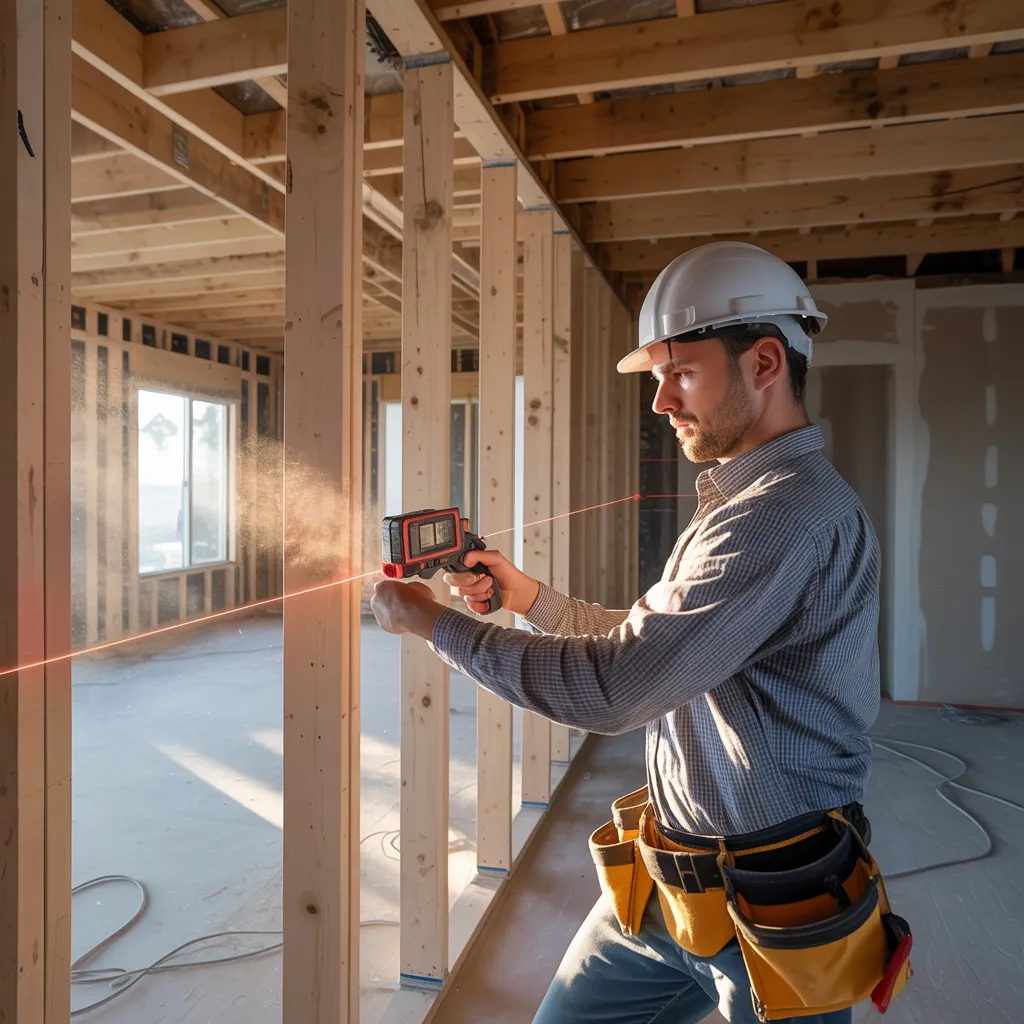
Creating a comprehensive schedule is vital for property owners to efficiently oversee their renovation undertaking, guaranteeing that each phase is completed on time. A well-structured schedule outlines all stages of the remodel, from opening planning meetings to the concluding inspection. Property owners should begin by determining key checkpoints, such as permits, project sign-offs, and acquisition of supplies.
Next, they must set practical deadlines for each task, factoring in potential delays and the availability of resources. Adding contingency time can help minimize unforeseen issues, such as weather-related setbacks or supply chain disruptions.
Consistently reviewing and updating the project timeline throughout the project will keep all parties informed and accountable. Effective communication with relevant parties is essential, as it strengthens partnership and minimizes disputes. By complying with a thorough timeline, homeowners can move through their renovation process with greater confidence and clarity, ultimately accomplishing their envisioned outcomes.
Select the Appropriate Qualified Builders
Finding the fitting competent contractors is a critical part of your renovation that directly impacts the quality and efficiency of the renovation. To begin, homeowners should search for builders with an established name and broad background in the specific type of remodeling they envision. Reviewing web testimonials, requesting recommendations, and validating credentials can provide useful information into a builder's integrity and expertise.
Additionally, it is essential to conduct conversations with interested builders to gauge their interpersonal abilities, approach to project management, and willingness to collaborate. Homeowners should obtain detailed bids that specify materials, workforce costs, and timelines to guarantee clarity and eliminate unanticipated charges. Finally, validating coverage and licensing is paramount, as it safeguards the homeowner from conceivable liabilities. By prudently appointing professional builders, homeowners can lay the base for a successful home improvement project that achieves their desires and improves their residence.
Acquire Necessary Licenses
Upon beginning any renovation work, securing required permits is essential to validate compliance with local building codes and regulations. This procedure assures that the work conforms to safety standards and zoning laws, ultimately protecting the property owner from likely penalties or legal complications. The types of licenses required can vary considerably based on the breadth of the project; typical licenses include structural, electrical, water systems, and mechanical permits.
Property owners should start by consulting with their local building department to grasp particular rules and steps. It is wise to gather all required paperwork, such as project plans and contractor information, to facilitate the licensing procedure.
Engaging experienced contractors can also simplify this step, as they are often knowledgeable about local regulations and can help with securing the necessary permits. By emphasizing this critical aspect of remodeling, homeowners can avoid delays and ensure the project's successful completion within the legal framework.
Share Your Vision Clearly
How can property owners assure their remodeling project meets their expectations? The key lies in open communication of their vision to the professional builders. Owners must detail their ideas, preferences, and must-haves in detail. This involves discussing design elements, materials, color schemes, and overall functionality. Using visual aids like photos, sketches, or mood boards can significantly improve understanding between homeowners and builders.
Additionally, it is critical for homeowners to establish priorities. By detailing what is most important to them, builders can concentrate on these elements during the remodeling process. Regular check-ins and updates throughout the project ensure that any potential misunderstandings are addressed quickly. Open dialogue promotes collaboration and fosters a productive relationship, ultimately leading to a positive outcome. By being forward-thinking in communication, homeowners can help guarantee that the final result reflects their vision and meets their expectations.
Get Your Home prepared for Construction
As the remodeling project draws near, homeowners must take proactive steps to prepare their residence for construction. This preparation not only expedites the workflow but also minimizes disruptions. First, it is crucial to clear out the work areas, eliminating belongings, furnishings, and decorative elements that could hinder progress or be damaged. Homeowners should also create a designated space for workers to store tools and materials, ensuring a secure and well-arranged setting.
Next, it is vital to communicate with neighbors about the scheduled project, as construction can be loud and disruptive. Additionally, placing pets in a secluded area away from the work zone can reduce stress and accidents. Homeowners should also consider turning off utilities in specific areas if necessary for safety. Finally, maintaining clear access points for construction crews will streamline a more efficient process and contribute to an effective remodeling experience. Good preparation lays the groundwork for a effective project.
Keep tabs of advancement and remain engaged

To guarantee a accomplished renovation initiative, homeowners must carefully track progress through routine on-site evaluations. Fostering open communication lines with construction partners is essential for resolving concerns and facilitating prompt communication. Remaining involved helps maintain unity with objectives and timelines.
Routine Site Checks
Ongoing property visits are essential for homeowners to successfully oversee the advancement of their renovation initiatives. By attending the site frequently, homeowners can assess the excellence of workmanship and verify that the initiative reflects their aspirations. Such visits offer an opening to uncover any complications early, facilitating timely resolutions before escalation occurs. Homeowners can additionally verify that goods are being used as specified in the plans, safeguarding their stake. Moreover, witnessing the day-to-day progress can develop a deeper understanding of the remodeling process, empowering homeowners reach informed conclusions. Ultimately, regular property inspections not only bolster project oversight but also sustain homeowner involvement in the transformation of their domestic areas.
Create Transparent Interaction Channels
Establishing transparent communication channels is crucial for homeowners seeking to actively oversee the progress of their remodeling projects. Effective communication creates a collaborative environment between homeowners and builders, enabling timely updates and feedback. Homeowners should arrange regular check-ins, either in-person or through digital platforms, to review project milestones and handle any concerns. Utilizing tools such as project management apps can facilitate transparency, allowing all parties to track progress in real-time. Additionally, maintaining an open dialogue promotes builders to share information on timelines and potential challenges. By emphasizing communication, homeowners can guarantee that their vision is realized while staying informed and involved throughout the remodeling process. This proactive approach in the end leads to a efficient and more successful project outcome.
Perform a Conclusive Inspection and Review
A last inspection is essential to ensure that all aspects of the remodeling project satisfy expectations. Key areas should be examined carefully to detect any outstanding issues that may need attention. Prompt resolution of these concerns can help to accomplish a successful finish of the project.
Thoroughly inspect critical areas
Thoroughly inspecting important spaces during the final walkthrough is crucial for guaranteeing that every detail of the renovation work satisfies expectations. Homeowners should focus on critical spaces such as kitchens, bathrooms, and living areas, examining finishes, fixtures, and installations. Attention should be paid to the standard of craftsmanship, ensuring that all elements align with the agreed-upon plans. Verifying proper functionality of appliances, plumbing, and electrical systems is vital to verify that everything operates as intended. Additionally, assessing paint quality, flooring installation, and trim details can uncover any required adjustments. Engaging in this meticulous inspection promotes clear communication with builders and ensures that the completed project meets the homeowner's vision and standards before finalizing the remodel.
Address Outstanding Problems Quickly
Conducting a last inspection is essential for resolving outstanding issues that may have arisen during the remodeling project. This step allows homeowners to assess the work completed and identify any discrepancies from the original plans. During the walkthrough, it is important to take notes on areas that require attention, such as incomplete aspects, paint touch-ups, or installation errors. Homeowners should communicate these concerns directly to the builders, ensuring clarity and mutual understanding. Promptly addressing these issues can prevent further complications and additional costs down the line. A thorough review not only guarantees satisfaction with the completed project but also fosters a positive relationship between the homeowner and the builders, paving the way for future collaborations.
Frequently Asked Questions
What Measures Should I Follow to Address Unforeseen Costs In the Course of Remodeling?
To tackle unanticipated costs during construction work, one should create a contingency budget, stress essential repairs, interact honestly with service providers, and evaluate adjustable design alternatives to meet surprise expenses without weakening the comprehensive undertaking.
What should I Do if I'm Dissatisfied With the Work?
When dissatisfaction develops, the party needs to communicate explicit issues to the builders, requesting guidance and solutions. Maintaining issue documentation and reviewing the contract can aid in addressing disagreements and guaranteeing satisfactory completion of the project.
What Approaches Help Me copyright My Home's Functionality As Work Occurs?
To sustain a home's functionality during renovation, one can create designated living areas, set up a detailed timeline with builders, communicate regularly, and guarantee vital utilities like water and electricity continue without interruption throughout the remodeling process.
What Coverage or Warranties Should I Look For From Builders?
Property owners should anticipate builders to provide warranties covering workmanship, materials, and structural integrity. Common guarantees extend from one to ten years, according to the scope of work, providing safeguards against defects and necessary repairs.
What Strategies Should I Use to Pick Materials That Work with My Style and Finances?
To select products that align with personal style and financial plan, one should research options, compare prices, examine longevity, and consult professionals. Test pieces can help picture aesthetics, guaranteeing informed decisions that balance beauty and budget limitations.